I realized after making my last post then when I mentioned "Yoga" most people would probably assume that means holding downward dog or warrior pose until the light of the all fills your heart. While this is technically a part of Yoga, it is a very small part. The poses are known as Asanas which are a portion of Raja Yoga. Raja Yoga is one of the four main paths. You are meant to partake of all four paths in order to reach enlightenment. The four paths are as follows...
Raja Yoga - Meditative yoga, comprised of poses, breathing and meditations
Jnana Yoga - This is the philosophical study of the truth through contemplation and research
Bhakti Yoga - Praise of the all through worship, ritual and love
Karma Yoga - This is the 'work' we all do, the role we all play as individuals, live compassionately and in harmony with the all
As you can see, poses like the lotus are a small but valid part of what is truly called Yoga. Yoga is a spiritual path to enlightenment with four roads, all of which are meant to be traveled by the seeker simultaneously. The Bhagavad Gita explains how to walk these paths properly and what it means to be a pure yogi.
While Yoga, Buddhism or Hinduism may not be your forte, don't overlook them. Anything that can offer you a piece of the puzzle should be regarded as holy and sacred. Yoga most certainly without a doubt has lead many individuals to ascend to levels regarded as divine by humanity. It shouldn't be underestimated, it should be investigated.
Wednesday, July 14, 2010


Bhagavad Gita - Holy Chapters of Bhagavad Gita
Holy Bhagvad Gita has 18 chapters namely as given below ----
Chapter 1: Visada Yoga
Chapter 2: Sankhya Yoga
Chapter 3: Karma Yoga
Chapter 4: Jnana Yoga
Chapter 5: Karma Vairagya Yoga
Chapter 6: Abhyasa Yoga
Chapter 7: Paramahamsa Vijnana Yoga
Chapter 8: Aksara-Parabrahman Yoga
Chapter 9: Raja-Vidya-Guhya Yoga
Chapter 10: Vibhuti-Vistara-Yoga
Chapter 11: Visvarupa-Darsana Yoga
Chapter 12: Bhakti Yoga
Chapter 13: Ksetra-Ksetrajna Vibhaga Yoga
Chapter 14: Gunatraya-Vibhaga Yoga
Chapter 15: Purusottama Yoga
Chapter 16: Daivasura-Sampad-Vibhaga Yoga
Chapter 17: Sraddhatraya-Vibhaga Yoga
Chapter 18: Moksa-Opadesa Yoga
1. Visada Yoga (The yoga of dejection of Arjuna): --- In first chapter, Arjuna was lamenting the consequence war. The main characters are the Supreme Lord Krishna and warrior Arjuna. Both were ready for battle, but Arjuna was fear and sad due to this battle. He thought that the consequences of battle will not good, due to the fear of losing friends and relatives. So chapter is for the yoga of dejection of Arjuna.
2. Sankhya Yoga (The yoga of knowledge): --- In second chapter, lord Krishna seen that Arjuna was in dejection, so lord krishna gives knowledge to Arjuna about karma yoga, jnana yoga, sankhya yoga, buddih yoga and the atma which is the soul. Soul has not any relatives or friends; only body makes friendship and relatives. At last lord Krishna said that don’t see any relatives or friends in the battlefield & make your mediation in battle field. This is not a time for dejection, its time for battle. So chapter is for the yoga of knowledge by Krishna for Arjuna.
3. Karma Yoga (The yoga of action): --- Karma yoga is also known as Buddhi yoga. In third chapter, lord Krishna described about action. Karma Yoga is described as a way of acting, thinking and willing by which Arjuna oneself toward realization by acting in accordance with one's duty (dharma) without consideration of personal self-centered desires, likes or dislikes. Lord said -“do only karma (action), never think about profit”. Arjuna never thought about any relatives and friends, only take action against evil. So this chapter is for the yoga of action by Arjuna.
4. Jnana yoga (The yoga of knowledge as well as the disciplines of action and knowledge): --- Lord Krishna said to Arjuna about true knowledge learning how to control our mind and senses and center our selves in our spiritual selves so that we can become free from our slavery to the cycle of the births and achieve liberation, stand up for the fight. So this chapter is for the yoga of knowledge as well as the disciplines of action and knowledge.
5. Karma Vairagya Yoga (The yoga of action and Knowledge): --- Lord Krishna delineates the concepts of action with detachment. God gives knowledge to Arjuna about soul that soul has not any relatives or friendship, only body makes. God said about soul ---
Weapons can not cut it nor can fire burn it;
Water can not wet it nor can wind dry it.
God said to warrior Arjuna here is neither relatives nor friends, only battle against evil. This time is only for take action. So this chapter is for the yoga of action and knowledge.
6. Abhyasa Yoga (The yoga of self-control): --- In this chapter lord Krishna said to Arjuna about self-control. He explains in detail the difficulties of the mind and the procedures by which one may gain mastery of their mind through self-control which reveals the spiritual nature of a living entity. God said to Arjuna for self-control in mind. So this chapter is for the yoga of self-control.
7. Paramahamsa Vijnana Yoga (The yoga of Jnana and Vijnana) (Knowledge of ultimate truth): --- In this chapter God reveals that one in spiritual intelligence takes exclusive refuge of the Lord without reservation in devotional service. So this chapter is for knowledge of ultimate truth.
8. Aksara-Parabrahman Yoga (The yoga of indestructible Brahma): --- In this chapter lord Krishna explains the bright and dark paths in regards to leaving this material existence, the destination to which they each lead to and the reward received by each. God gives details of paths given below---
For these two paths of the world, the bright and the dark, are considered to be eternal. Proceeding by one of them, one reaches the supreme state from which there is no return; and proceeding by other, one returns to the mortal world, i.e., becomes subject to birth and death once more. So Arjuna at all time be stead fast. So this chapter is for the yoga of indestructible Brahma.
9. Raja-Vidya-Guhya Yoga (The yoga of sovereign science and sovereign secret): --- In this chapter lord Krishna explains how the world existence is created, pervaded, maintained and annihilated by his external energy and all species are coming and going under his supervision. These subject matters are most confidential. The knowledge of both the nirguna and saguna aspects of divinity is a sovereign science and sovereign secret.
In this way lord explains the yoga of sovereign science and sovereign secret.
10. Vibhuti-Vistara-Yoga (The yoga of divine manifestations): --- In this chapter lord Krishna explains his manifestations to Arjuna; this is due to great position which is of all causes (knowledge, etc.). This is a brief description by me of the extent of my glory. Arjuna says to the Lord to explain in detailed more of the opulence’s and the Lord describes all knowledge and secret, which are most prominent. Thus, this chapter is for the yoga of divine manifestations.
11. Visvarupa-Darsana Yoga (The yoga of the vision of the cosmic body): --- In this chapter Arjuna prays to the lord Krishna to reveal his universal form showing all of existence. He wants to know about knowledge, truth, secret and all things by them. Thus, this chapter is for the yoga of the vision.
12. Bhakti Yoga (The yoga of devotion): --- In this chapter lord Krishna explains the glory of devotion to god. Lord Krishna explains spiritual disciplines and discusses the quality of devotee for god. Thus, this chapter is for yoga of devotion.
13. Ksetra-Ksetrajna Vibhaga Yoga (The yoga of discrimination between the ksetra and the knower of the ksetra): --- In this chapter Lord Krishna reveals the distinct difference between the physical body and the immortal soul. He explains that the physical is short-lived and spoilable whereas the soul is immutable and eternal. The Lord also gives correct knowledge about the individual soul and the ultimate soul. Thus this chapter is for the yoga of discrimination between the ksetra and the knower of the ksetra.
14. Gunatraya-Vibhaga Yoga (The yoga of division of the three gunas): --- In this chapter fourteen Lord Krishna explains matters refers goodness, passion and nescience which everything in the material existence is influenced by. He gives correct details on the essential characteristics of each individually, their cause, the level of their power. Thus this chapter is for the yoga of division of the three gunas.
15. Purusottama Yoga (The yoga of supreme person): --- In this chapter lord explain the virtues, the glories and transcendental characteristics of God being omnipotence, omniscient and omnipresent. Also He explains the purpose and value of knowing about God and the means by which He can be realized. Thus this chapter is for the yoga of supreme person.
16. Daivasura-Sampad-Vibhaga Yoga (The yoga of discrimination between the godly and demoniac properties): --- In this chapter Lord Krishna describes clearly, explaining separately and in detail the divine properties, conduct and actions which are righteous in nature and conducive to divinity. Also he delineates the evil propensities and ill conducts which are unrighteous in nature and which determine the unrighteous and which are incompatible to divinity. Thus, this chapter is for the yoga of discrimination between the godly and demoniac properties.
17. Sraddhatraya-Vibhaga Yoga (The yoga of division of three kinds of faith): --- In this Lord Krishna classifies the three kinds of faith, showing that it is these different qualities of faith in the Supreme that determine that character of living entities. These three types of faith determine one's consciousness in this world. Thus, this chapter is for the yoga of division of three kinds of faith.
18. Moksa-Opadesa Yoga (The yoga of final revelations of the ultimate truth): --- At last, the Lord Krishna explains knowledge, actions and other all things and all above chapters very well. These chapters revealed get progressively more and more confidence for Arjuna. Arjuna was ready for battle and feels better by understand bhagvad gita by Lord Krishna. Thus, this chapter is for the yoga of final revelations of the ultimate truth.
Chapter 1: Visada Yoga
Chapter 2: Sankhya Yoga
Chapter 3: Karma Yoga
Chapter 4: Jnana Yoga
Chapter 5: Karma Vairagya Yoga
Chapter 6: Abhyasa Yoga
Chapter 7: Paramahamsa Vijnana Yoga
Chapter 8: Aksara-Parabrahman Yoga
Chapter 9: Raja-Vidya-Guhya Yoga
Chapter 10: Vibhuti-Vistara-Yoga
Chapter 11: Visvarupa-Darsana Yoga
Chapter 12: Bhakti Yoga
Chapter 13: Ksetra-Ksetrajna Vibhaga Yoga
Chapter 14: Gunatraya-Vibhaga Yoga
Chapter 15: Purusottama Yoga
Chapter 16: Daivasura-Sampad-Vibhaga Yoga
Chapter 17: Sraddhatraya-Vibhaga Yoga
Chapter 18: Moksa-Opadesa Yoga
1. Visada Yoga (The yoga of dejection of Arjuna): --- In first chapter, Arjuna was lamenting the consequence war. The main characters are the Supreme Lord Krishna and warrior Arjuna. Both were ready for battle, but Arjuna was fear and sad due to this battle. He thought that the consequences of battle will not good, due to the fear of losing friends and relatives. So chapter is for the yoga of dejection of Arjuna.
2. Sankhya Yoga (The yoga of knowledge): --- In second chapter, lord Krishna seen that Arjuna was in dejection, so lord krishna gives knowledge to Arjuna about karma yoga, jnana yoga, sankhya yoga, buddih yoga and the atma which is the soul. Soul has not any relatives or friends; only body makes friendship and relatives. At last lord Krishna said that don’t see any relatives or friends in the battlefield & make your mediation in battle field. This is not a time for dejection, its time for battle. So chapter is for the yoga of knowledge by Krishna for Arjuna.
3. Karma Yoga (The yoga of action): --- Karma yoga is also known as Buddhi yoga. In third chapter, lord Krishna described about action. Karma Yoga is described as a way of acting, thinking and willing by which Arjuna oneself toward realization by acting in accordance with one's duty (dharma) without consideration of personal self-centered desires, likes or dislikes. Lord said -“do only karma (action), never think about profit”. Arjuna never thought about any relatives and friends, only take action against evil. So this chapter is for the yoga of action by Arjuna.
4. Jnana yoga (The yoga of knowledge as well as the disciplines of action and knowledge): --- Lord Krishna said to Arjuna about true knowledge learning how to control our mind and senses and center our selves in our spiritual selves so that we can become free from our slavery to the cycle of the births and achieve liberation, stand up for the fight. So this chapter is for the yoga of knowledge as well as the disciplines of action and knowledge.
5. Karma Vairagya Yoga (The yoga of action and Knowledge): --- Lord Krishna delineates the concepts of action with detachment. God gives knowledge to Arjuna about soul that soul has not any relatives or friendship, only body makes. God said about soul ---
Weapons can not cut it nor can fire burn it;
Water can not wet it nor can wind dry it.
God said to warrior Arjuna here is neither relatives nor friends, only battle against evil. This time is only for take action. So this chapter is for the yoga of action and knowledge.
6. Abhyasa Yoga (The yoga of self-control): --- In this chapter lord Krishna said to Arjuna about self-control. He explains in detail the difficulties of the mind and the procedures by which one may gain mastery of their mind through self-control which reveals the spiritual nature of a living entity. God said to Arjuna for self-control in mind. So this chapter is for the yoga of self-control.
7. Paramahamsa Vijnana Yoga (The yoga of Jnana and Vijnana) (Knowledge of ultimate truth): --- In this chapter God reveals that one in spiritual intelligence takes exclusive refuge of the Lord without reservation in devotional service. So this chapter is for knowledge of ultimate truth.
8. Aksara-Parabrahman Yoga (The yoga of indestructible Brahma): --- In this chapter lord Krishna explains the bright and dark paths in regards to leaving this material existence, the destination to which they each lead to and the reward received by each. God gives details of paths given below---
For these two paths of the world, the bright and the dark, are considered to be eternal. Proceeding by one of them, one reaches the supreme state from which there is no return; and proceeding by other, one returns to the mortal world, i.e., becomes subject to birth and death once more. So Arjuna at all time be stead fast. So this chapter is for the yoga of indestructible Brahma.
9. Raja-Vidya-Guhya Yoga (The yoga of sovereign science and sovereign secret): --- In this chapter lord Krishna explains how the world existence is created, pervaded, maintained and annihilated by his external energy and all species are coming and going under his supervision. These subject matters are most confidential. The knowledge of both the nirguna and saguna aspects of divinity is a sovereign science and sovereign secret.
In this way lord explains the yoga of sovereign science and sovereign secret.
10. Vibhuti-Vistara-Yoga (The yoga of divine manifestations): --- In this chapter lord Krishna explains his manifestations to Arjuna; this is due to great position which is of all causes (knowledge, etc.). This is a brief description by me of the extent of my glory. Arjuna says to the Lord to explain in detailed more of the opulence’s and the Lord describes all knowledge and secret, which are most prominent. Thus, this chapter is for the yoga of divine manifestations.
11. Visvarupa-Darsana Yoga (The yoga of the vision of the cosmic body): --- In this chapter Arjuna prays to the lord Krishna to reveal his universal form showing all of existence. He wants to know about knowledge, truth, secret and all things by them. Thus, this chapter is for the yoga of the vision.
12. Bhakti Yoga (The yoga of devotion): --- In this chapter lord Krishna explains the glory of devotion to god. Lord Krishna explains spiritual disciplines and discusses the quality of devotee for god. Thus, this chapter is for yoga of devotion.
13. Ksetra-Ksetrajna Vibhaga Yoga (The yoga of discrimination between the ksetra and the knower of the ksetra): --- In this chapter Lord Krishna reveals the distinct difference between the physical body and the immortal soul. He explains that the physical is short-lived and spoilable whereas the soul is immutable and eternal. The Lord also gives correct knowledge about the individual soul and the ultimate soul. Thus this chapter is for the yoga of discrimination between the ksetra and the knower of the ksetra.
14. Gunatraya-Vibhaga Yoga (The yoga of division of the three gunas): --- In this chapter fourteen Lord Krishna explains matters refers goodness, passion and nescience which everything in the material existence is influenced by. He gives correct details on the essential characteristics of each individually, their cause, the level of their power. Thus this chapter is for the yoga of division of the three gunas.
15. Purusottama Yoga (The yoga of supreme person): --- In this chapter lord explain the virtues, the glories and transcendental characteristics of God being omnipotence, omniscient and omnipresent. Also He explains the purpose and value of knowing about God and the means by which He can be realized. Thus this chapter is for the yoga of supreme person.
16. Daivasura-Sampad-Vibhaga Yoga (The yoga of discrimination between the godly and demoniac properties): --- In this chapter Lord Krishna describes clearly, explaining separately and in detail the divine properties, conduct and actions which are righteous in nature and conducive to divinity. Also he delineates the evil propensities and ill conducts which are unrighteous in nature and which determine the unrighteous and which are incompatible to divinity. Thus, this chapter is for the yoga of discrimination between the godly and demoniac properties.
17. Sraddhatraya-Vibhaga Yoga (The yoga of division of three kinds of faith): --- In this Lord Krishna classifies the three kinds of faith, showing that it is these different qualities of faith in the Supreme that determine that character of living entities. These three types of faith determine one's consciousness in this world. Thus, this chapter is for the yoga of division of three kinds of faith.
18. Moksa-Opadesa Yoga (The yoga of final revelations of the ultimate truth): --- At last, the Lord Krishna explains knowledge, actions and other all things and all above chapters very well. These chapters revealed get progressively more and more confidence for Arjuna. Arjuna was ready for battle and feels better by understand bhagvad gita by Lord Krishna. Thus, this chapter is for the yoga of final revelations of the ultimate truth.
Monday, July 12, 2010
Ashrama - Four Stage of Hindus Life
According to Hinduism the life of a Hindu is divided into four stages. There are called "Ashramas". The Vedas define a specific purpose for each ashram. In Hidu life every man go through each of these Ashramas (stage). These are Ashramas name given below.
1). The first Ashrama - Brahmacharya
2). The Second Ashrama - Grihasta
3). The Third Ashrama - Vanaprastha
4). The Fourth Ashrama - Sanyasa
Brahmacharya Ashrama -> The first stage or ashram is Brahmacharya, is the student phase of life when the person is supposed to immerse himself in learning under the guidance of a Guru, building up the mind for spiritual knowledge. During this period the person is have to live a celibate life because other activities were thought to have adverse effects on the learning process.
Grihasta Ashrama -> The second asham is Grihasta ashram, is the stage of family life. It begins with marriage and proceeds to raising a family. It involves earning a living through the skills acquired during Brahmacharya ashram. It encourages the enjoyment of a material life. The householders have the responsibility of bringing up their children in the same way that their parents brought them up.
Vanaprastha Ashrama -> The third ashram Vanaprastha, is the retirement stage and gradual detachment from the material world. The person lives with the family, in society but in a withdrawn manner. The man no longer takes part in the commercial activities and the woman leaves the running of the household to her daughter-in-law. People in this ashram play the role of mentors.
Sanyasa Ashrama ->The final ashram is renunciation or Sanyasa. In this ashram person leaves society to spend the remaining part of his or her life in meditation and the contemplation of God in seclusion.
1). The first Ashrama - Brahmacharya
2). The Second Ashrama - Grihasta
3). The Third Ashrama - Vanaprastha
4). The Fourth Ashrama - Sanyasa
Brahmacharya Ashrama -> The first stage or ashram is Brahmacharya, is the student phase of life when the person is supposed to immerse himself in learning under the guidance of a Guru, building up the mind for spiritual knowledge. During this period the person is have to live a celibate life because other activities were thought to have adverse effects on the learning process.
Grihasta Ashrama -> The second asham is Grihasta ashram, is the stage of family life. It begins with marriage and proceeds to raising a family. It involves earning a living through the skills acquired during Brahmacharya ashram. It encourages the enjoyment of a material life. The householders have the responsibility of bringing up their children in the same way that their parents brought them up.
Vanaprastha Ashrama -> The third ashram Vanaprastha, is the retirement stage and gradual detachment from the material world. The person lives with the family, in society but in a withdrawn manner. The man no longer takes part in the commercial activities and the woman leaves the running of the household to her daughter-in-law. People in this ashram play the role of mentors.
Sanyasa Ashrama ->The final ashram is renunciation or Sanyasa. In this ashram person leaves society to spend the remaining part of his or her life in meditation and the contemplation of God in seclusion.
Saturday, July 10, 2010
Lord Shiva Paintings - Modern and Contemporary Paintings of Shiva(Lord Shiv)
Lord Shiva - Look modern Painitngs and contemporary paintings of Lord Shiva. Here you will get a handmade painitngs selection of lord Shiva which are created by master painters of legend crafts, India. All the Shiva paintings are courtesy of Legend Crafts, India.
Lord Shiva In Meditation.


Lord Shiva In Meditation.

Lord Shiva Drank Poison.

Lord Shiva destroy evil

Lord Shiva In Meditation.

Saturday, June 26, 2010
Baby Krishna Paintings and Pictures of Baby Krishna
A selection of Baby Krishna Paintings, which is made by master painters from India. Here you will get a Modern and contemporary paintings of Baby Krishna. If you want baby Krishna Paintings please visit legend crafts[dot]com.
All the paintings and pictures is courtesy of Legend Crafts, India.
Baby Krishna Modern and Contemporary Paintings and Pictures of Baby Krishna


All the paintings and pictures is courtesy of Legend Crafts, India.
Baby Krishna Modern and Contemporary Paintings and Pictures of Baby Krishna


Lord Krishna Art -Gallery of Lord Krishna Paintings
Lord Krishna is the God of love and most popular god among the Hindu Gods and Goddess. Here a best selection of lord Krishna Paintings created by master artist from India.
Lord Krishna Playing Flute

Lord Krishna sit at bank of Yamuna River

Lord Krishna Playing Flute

Lord Krishna sit at bank of Yamuna River

Friday, June 25, 2010
Radha and Krishna Paintings of Radha and Krishna
Find Radha and Krishna Paintings. A Selection of Modern and Contemporary Radha and Krishna love paintings which is created by master artist from India.
 |  |
 |  |
Tuesday, June 22, 2010
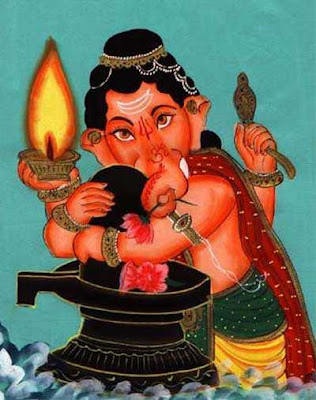
Lord Ganesha Paintings - Modern and Contemporary Paintings of Ganesha(Lord Ganpati)
Lord Ganesha - A selection of modern Paintings and contemporary Ganesha Paintings which is created by award winner artist from India. Lord Ganesha is the god of obstacles Remover. He is know by other name Like Vinayaka or Vigneshwara and Ganpati. He is Helping to overcome all the obstacles. Find All the paintings and posters of lord Ganesha at Legend Crafts, India.
Lord Ganesha with Shiva Linga


 Search Amazon.com for ganesha statues
Lord Ganesha with Shiva Linga


Wednesday, June 2, 2010
Bhagavad Gita (Holy Hindu Scripture)
Bhagavad-Gita is the holy scripture of Hindu. The text of Bhagavad-Gita is the conversation of Lord Krishna and Arjuna from the battlefield kurukshetra. Gita mainly consist from sixth part of the worlds great epic Mahabharata. It is divided into 18 chapters namely as given below
Chapter 1: Visada Yoga
Chapter 2: Sankhya Yoga
Chapter 3: Karma Yoga
Chapter 4: Jnana Yoga
Chapter 5: Karma Vairagya Yoga
Chapter 6: Abhyasa Yoga
Chapter 7: Paramahamsa Vijnana Yoga
Chapter 8: Aksara-Parabrahman Yoga
Chapter 9: Raja-Vidya-Guhya Yoga
Chapter 10: Vibhuti-Vistara-Yoga
Chapter 11: Visvarupa-Darsana Yoga
Chapter 12: Bhakti Yoga
Chapter 13: Ksetra-Ksetrajna Vibhaga Yoga
Chapter 14: Gunatraya-Vibhaga Yoga
Chapter 15: Purusottama Yoga
Chapter 16: Daivasura-Sampad-Vibhaga Yoga
Chapter 17: Sraddhatraya-Vibhaga Yoga
Chapter 18: Moksa-Opadesa Yoga
Chapter 1: Visada Yoga
Chapter 2: Sankhya Yoga
Chapter 3: Karma Yoga
Chapter 4: Jnana Yoga
Chapter 5: Karma Vairagya Yoga
Chapter 6: Abhyasa Yoga
Chapter 7: Paramahamsa Vijnana Yoga
Chapter 8: Aksara-Parabrahman Yoga
Chapter 9: Raja-Vidya-Guhya Yoga
Chapter 10: Vibhuti-Vistara-Yoga
Chapter 11: Visvarupa-Darsana Yoga
Chapter 12: Bhakti Yoga
Chapter 13: Ksetra-Ksetrajna Vibhaga Yoga
Chapter 14: Gunatraya-Vibhaga Yoga
Chapter 15: Purusottama Yoga
Chapter 16: Daivasura-Sampad-Vibhaga Yoga
Chapter 17: Sraddhatraya-Vibhaga Yoga
Chapter 18: Moksa-Opadesa Yoga
Goddess Kali, Pictures and Paintings of Kali( Goddess of Kala)
Goddess Kali is know as the most populer goddess in hindu religion. Kali is the goddess of Kala means death.
Know more about the goddess Kali - look the pictures and paintigns of kali.

Know more about the goddess Kali - look the pictures and paintigns of kali.

Subscribe to:
Posts (Atom)