Wednesday, July 27, 2011

Shiva Statues: Hindu God Lord Shiva Statues and Sculptures

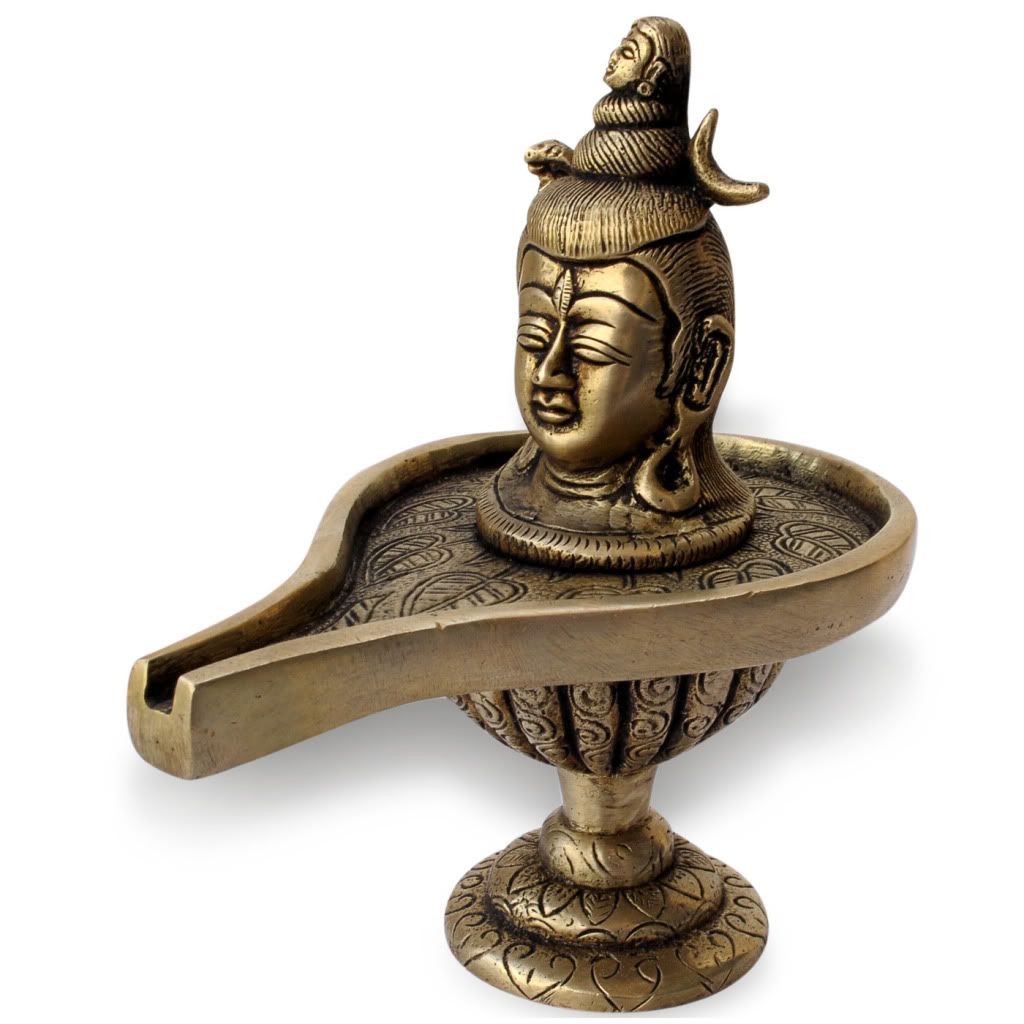
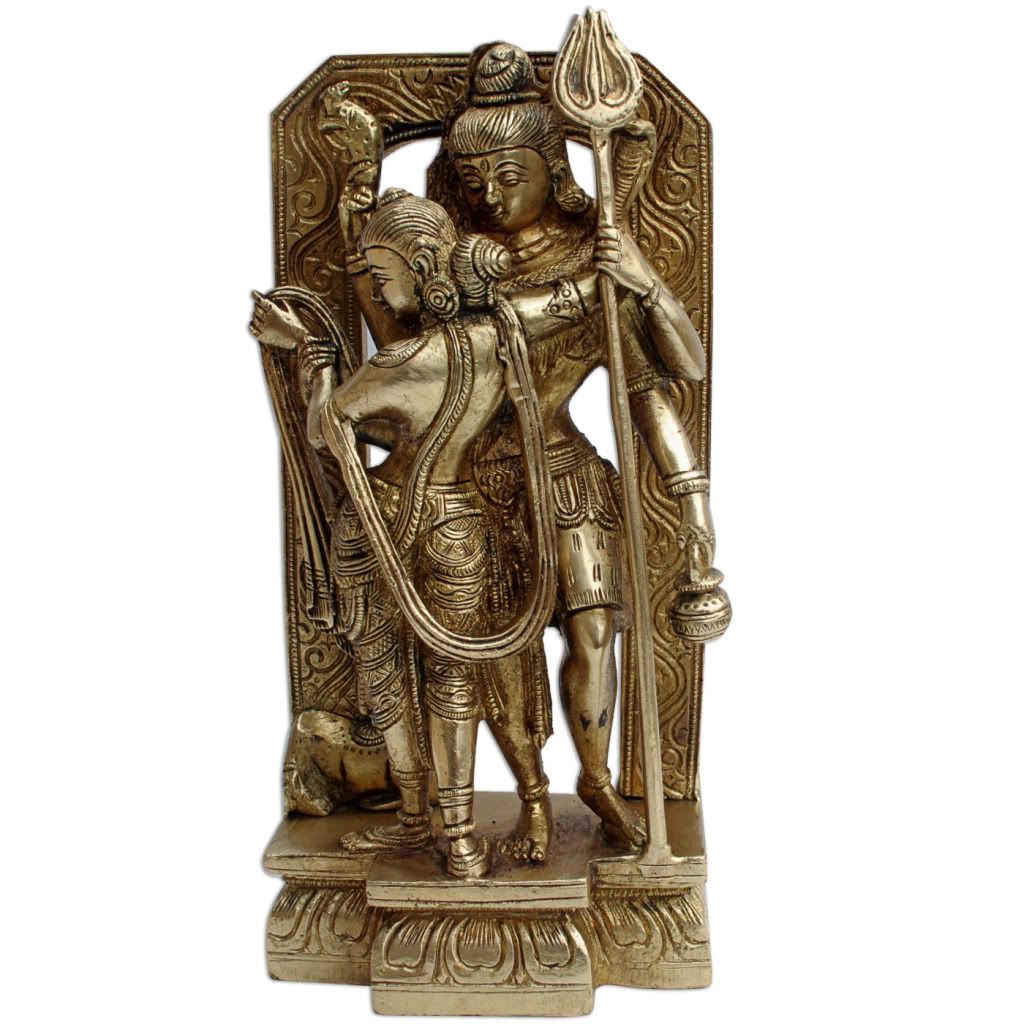
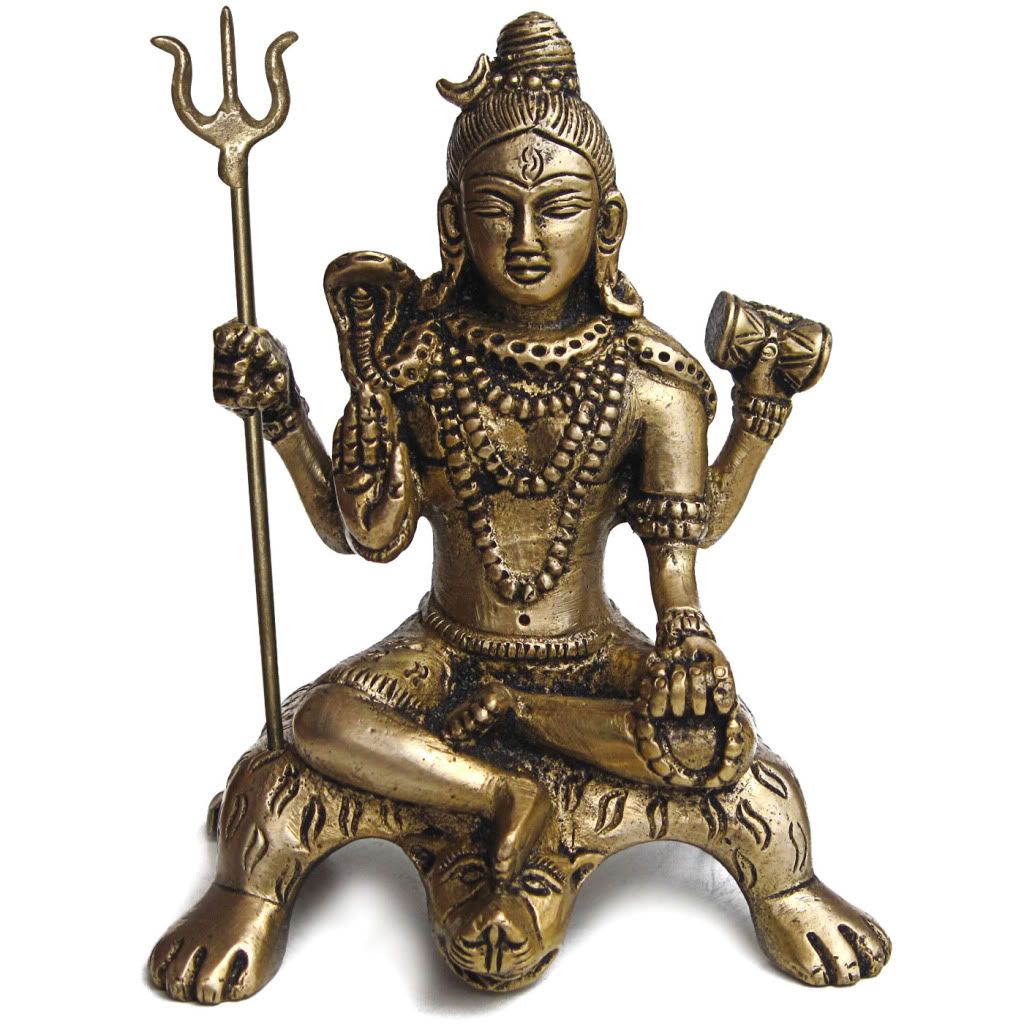
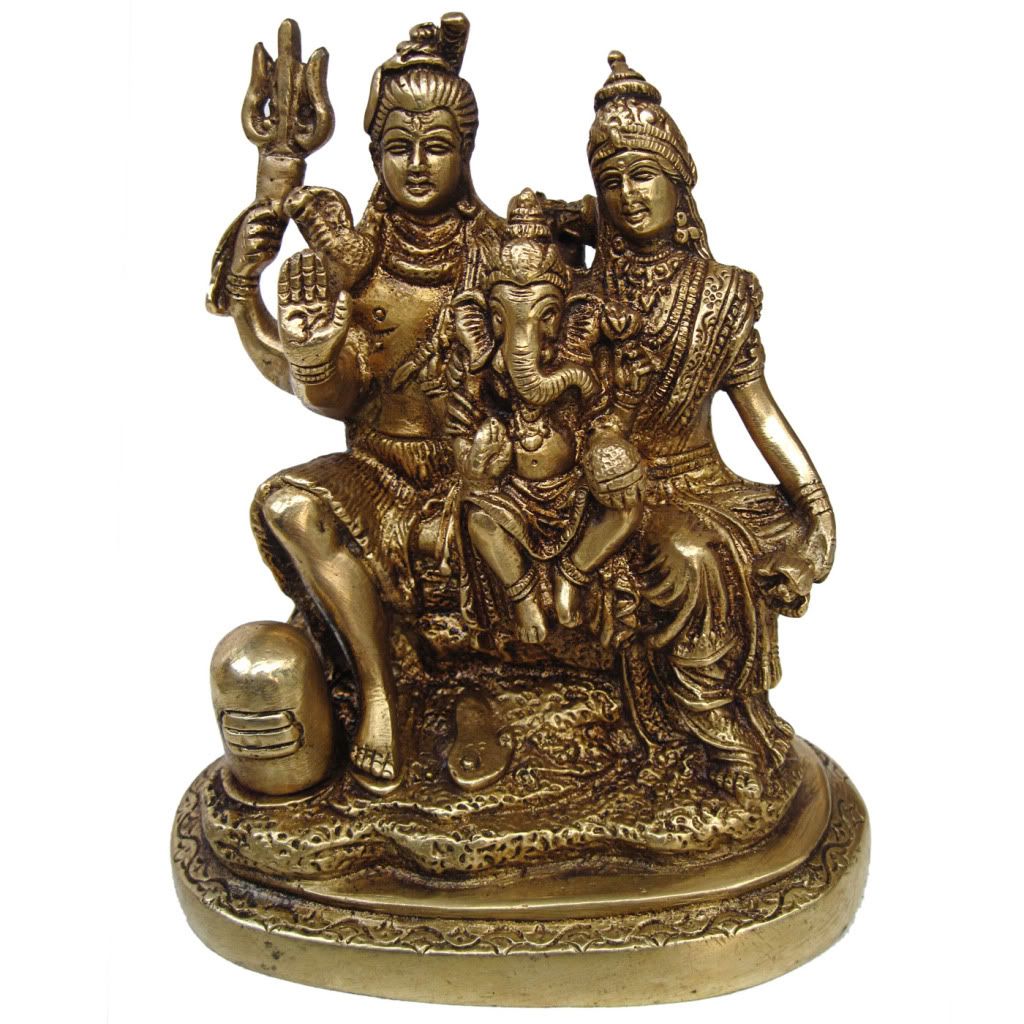
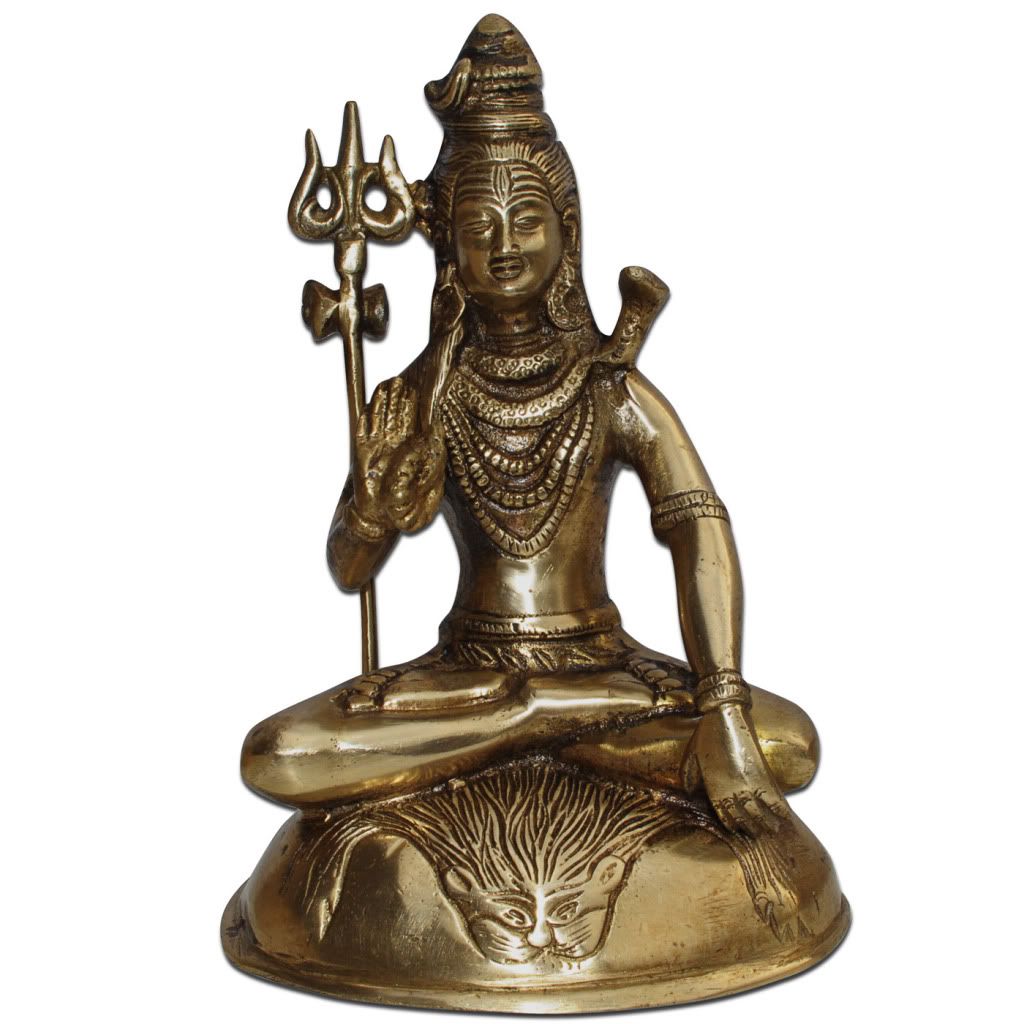
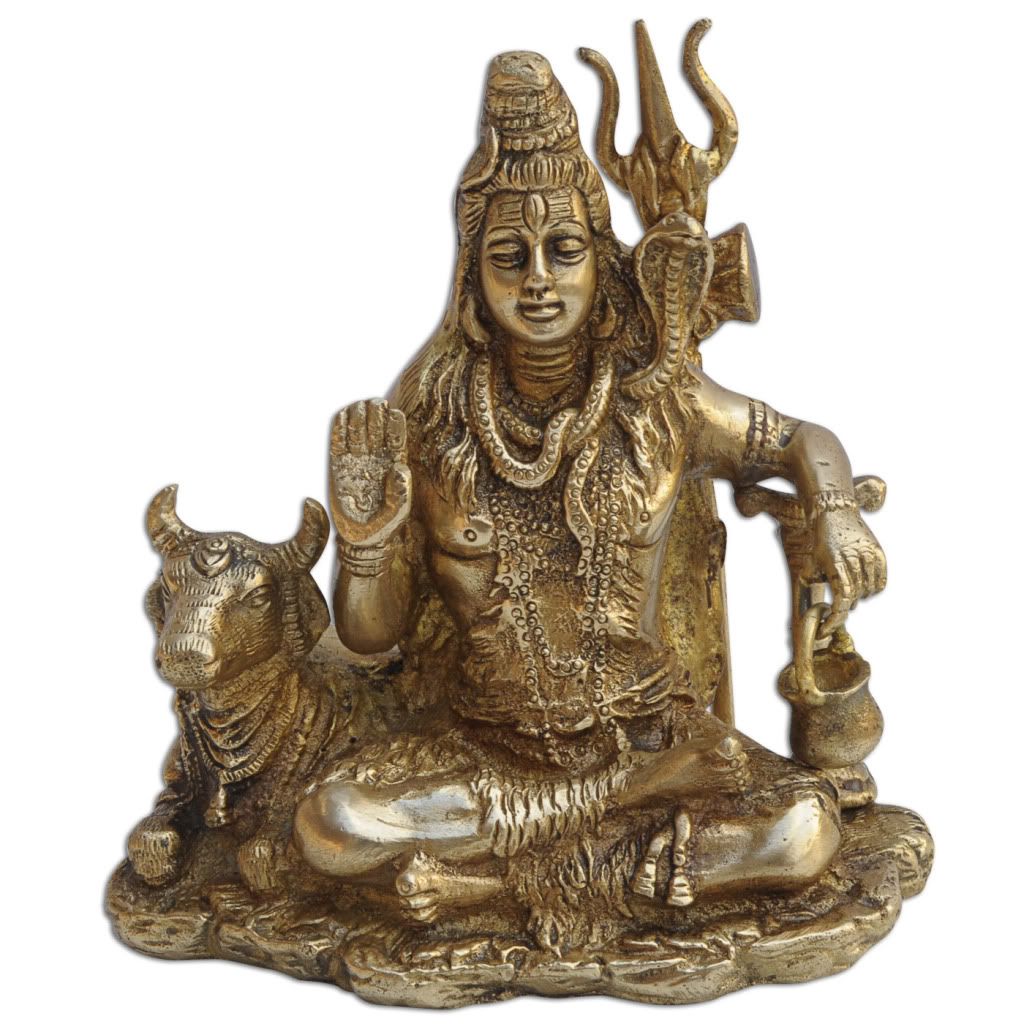
Lord Shiva Statues and Sculptures: Shiva is one one of the most auspicious god of Hindu trinity. He is one of the main god of Hindus and mainly know as Rudra.

Here You will get a collection of Lord Shiva statues that are crafted by many skillful Indian artist. These all Shiva Statues offered in various postures and sizes.


Lord Shiva Statues

Shiva Statues


Shiva Linga

Shiva Parvati Statues


Meditating Shiva Statues

Shiva Parvati and Ganesha Statues

Friday, July 22, 2011

How to Vrat Shravan Somvar: Rituals Procedure and Mantras

 Somwar (Monday) in Shravan Mas is considerd most auspicious festival day for Lord Shiva praying. Most of Hindu and other people is believed that the worship of the Lord Shiva in the month of Shravan is more powerfull instead the other (Somwar, Monday) days. In this month many devout of Lord Shiva observe the Shravan Somwar Vrat and performing Pujas and rituals on the Monday of Shravan Mas.

Procedure and rituals to observe Vrat on Shravan Somwar.

In the morning after taking bath and other rituals. First prayed to Lord Ganesha, after finishing next , prayed to Lord Shiva by chanting Om Namah Shivay, and offering lord Shiva to Bilva Patra(leaves) some flowers, water, Dahi, Milk and honey. Do abhishek with water, Dahi, Milk and Honey. Do fast from sunrise to sunset and chant Maha Mritunjaya Mantra and Om Namah Shivaya on this day or you can read Shiva Purana. After praying Lord Shiva and all rituals you can break the fast in the evening. Visit the Shrines of Shiva and pray for peace and Happiness.

Many Hindu and devout of Lord Shiva believed that god fulfill all desires and blessed with wisdom who observe Somwar Vrat. Many women in India also do Somwar Vrat for fet best husband who can fulfill their dreams.
  

Saturday, July 16, 2011

Hindu Festivals and Auspicious Days in August 2011

Dates of Hindu Auspicious Days and festivals in August 2011, which is associated to Hinduism (Hindu Religion). All the Auspicious dates based on major Hindu calendars and Indian Standard Time (IST), which is used in India.

August 2011 - Hindu Festivals and Auspicious Days.

1 August, 2011 – Shravan Somvar Vrat
1 August, 2011 – Sindhura Dooj
2 August, 2011 – Hariyali Teej
2 August, 2011 – Madhusrava Teej
3 August, – Durva Ganapati Vrat
4 August, 2011 – Nag Panchami
5 August, 2011 – Muruga Sashti Fasting
6 August, 2011 – Tulsi Das Jayanti
8 August, 2011 – Shravan Somvar Vrat
9 August, 2011 – Mangala Gouri Vrat
9 August, 2011 – Ekadasi Fasting – Putrada Ekadashi
11 August, 2011 – Pradosh Fasting
12 August, 2011 – Varalakshmi Vritham
13 August, 2011 – Shravan Purnima – Full moon day
13 August, 2011 – Raksha Bandhan
13 August, 2011 – Nariyali Purnima
13 August, 2011 – Rig Upakarma
13 August, 2011 – Yajur Upakarma
13 August, 2011 – Avani Avittam
13 August, 2011 – Hayagriva Jayanti
14 August, 2011 – Gayatri Japam
14 August, 2011 – Bhadrapad Month begins in North India
15 August, 2011 – Ashunya Shayan Vrat
16 August, 2011 – Kajari Teej
17 August, 2011 – Sankashti Ganesh Chaturthi Vrat
17 August, 2011 – Chinga Masam begins in Kerala Malayalam Calendar
18 August, 2011 – Aavani Month begins in Tamil Calendar
19 August, 2011 – Bhadra Month begins in Bengali Calendar
20 August, 2011 – Hal Sashti
21 August, 2011 – Sri Krishna Jayanti in South and Western parts of India
22 August, 2011 – Sri Krishna Janmashtami in North India
22 August, 2011 – Dahi Handi and Gopala Kala
23 August, 2011 – Goga Navami
25 August, 2011 – Ekadasi Fasting
26 August, 2011 – Pradosh Fasting
28 August, 2011 – Amavasya begins
29 August, 2011 – Amavasya ends – Somvati Amavasya
30 August, 2011 – Bhadrapad month begins in Goa, Andhra Pradesh, Karnataka, Maharashtra and Gujarat
31 August, 2011 – Sam Pancham – Sama Upakarma
31 August, 2011 – Swarna Gouri Vrat
Hindu Festivals and Auspicious Days in July 2011

Dates of Hindu Auspicious Days and festivals in July 2011, which is associated toHinduism (Hindu Religion). All the Auspicious dates based on major Hindu calendars and Indian Standard Time (IST), which is used in India.

July 2011 - Hindu Festivals and Auspicious Days.

1 July, 2011 – Amavasya – No moon day
July, 2011 – Ashada month begins in Andhra Pradesh, Karnataka, Maharashtra and Gujarat
July, 2011 – Puri Jagannath Rath Yatra
July, 2011 – Muruga Sashti Fasting
July, 2011 – Vivaswat Puja (Surya Puja)
July, 2011 – Aani Uthiram in Tamil Calendar
July, 2011 – Monthly Durga Ashtami Puja
July, 2011 – Bhadali Navami
10 July, 2011 – Ulto Rath at Puri Jagannath Temple
11 July, 2011 – Hari Shayani Ekadasi Vrat
11 July, 2011 – Pandarpur Yatra
11 July, 2011 – Chatur Masa Vrat Begins
12 July, 2011 – Pradosh Vrat
14 July, 2011 – Purnima Vrat
14 July, 2011 – Shirdi Saibaba Ashada Purnima Utsav begins
15 July, 2011 – Purnima – Full moon day – Guru Purnima – Vyasa Puja
16 July, 2011 – Shravan Month begins in North India
17 July, 2011 – Kark Sankranti – Dakshinayana Begins
17 July, 2011 – Aadi Month begins in Tamil Calendar
17 July, 2011 – Karkidakam month begins in Kerala Malayalam Calendar
18 July, 2011 – Sankashti Ganesh Chaturthi Vrat
18 July, 2011 – Shraban month begins in Bengali Calendar
18 July, 2011 – First Shravan Somvar Vrat in North India
19 July, 2011 – First Mangala Gauri Vrat in North India
23 July, 2011 – Kalashtami – Kher Puja in Tripura
25 July, 2011 – Second Sravan Somvar Vrat in North India
26 July, 2011 – Kamda Ekadasi Vrat
26 July, 2011 – Second Mangala Gauri Vrat in North India
28 July, 2011 – Pradosh Vrat
29 July, 2011 – Monthly Shivratri Fasting
30 July, 2011 – Amavasya – No moon day
30 July, 2011 – Aadi Amavasi in Tamil Calendar
30 July, 2011 – Karkidaka Vavu Bali in Kerala.
31 July, 2011 – Shravan month begins Andhra Pradesh, Karnataka, Maharashtra and Gujarat

Thursday, February 24, 2011

Hindu Festivals and Auspicious Days in March 2011

Dates of Hindu Auspicious Days and festivals in March 2011, which is associated toHinduism (Hindu Religion). All the Auspicious dates based on major Hindu calendars and Indian Standard Time (IST), which is used in India.
  
March 2011 - Hindu Festivals and Auspicious Days.
2 March, 2011 – Pradosh Vrat
2 March, 2011 – Shivratri
2 March, 2011 – Shiva Chaturdashi Vrat
4 March, 2011 – Amavasya – No moon day
5 March, 2011 – Phalgun Month begins in calendars followed in Maharashtra, Andhra Pradesh, Karnataka, Goa and Gujarat.
6 March, 2011 – Sri Ramakrishna Jayanti
11 March, 2011 – Sashti Fasting
13 March, 2011 – Holashtak Begins
14 March, 2011 – Lathmar Holi
14 March, 2011 – Phagu Dasami
15 March, 2011 – Meena Sankranti
15 March, 2011 – Kharmas Begins
15 March, 2011 – Painguni Month begins in Tamil Calendars
15 March, 2011 – Meena Masam begins in Malayalam Calendars
16 March, 2011 – Ekadasi Fasting – Amalaki Ekadashi Vrat
16 March, 2011 – Chaitra Month Begins in Bengali Calendar
17 March, 2011 – Pradosh Vrat
19 March, 2011 – Purnima or Full moon day
19 March, 2011 – Holika Dahan
19 March, 2011 – Dola Purnima
19 March, 2011 – Dol Yatra
19 March, 2011 – Chaitanya Mahaprabhu Jayanti
19 March, 2011 – Painguni Uthiram
20 March, 2011 – Holi playing with colors
20 March, 2011 – Chaitra Month Begins in calendars followed in North India.
22 March, 2011 – Sankashti Chaturthi Vrat
24 March, 2011 – Rang Panchami
24 March, 2011 – Eknath Sashti
30 March, 2011 – Papamochini Ekadasi Fasting
31 March, 2011 – Pradosh Vrat

Thursday, December 30, 2010

Hindu Festivals and Auspicious Days in January 2011

Dates of Hindu Auspicious Days and festivals in January 2011, which is associated to Hinduism (Hindu Religion). All the Auspicious dates based on major Hindu calendars and Indian Standard Time (IST), which is used in India.


January 2011 - Hindu Festivals and Auspicious Days.

January 1, 2011 – Pradosh Fasting – Shani Pradosham

January 3, 2011 – Somavati Amavasya from afternoon in some regions

January 4, 2011 – Amavasya or No moon day

January 4, 2011 – Hanuman Jayanti in Margazhi Masam in Tamil Nadu

January 4, 2011 – Surya Grahan or Solar Eclipse in Northwestern parts of India

January 5, 2011 – Poush month begins in calendars followed in Maharashtra, Andhra Pradesh, Karnataka, Gujarat and Goa

January 10, 2011 – Muruga Sashti Fasting

January 12, 2011 – Shakambhari Navratri Begins

January 12, 2011 - Bandhashtami

January 14, 2011 – Bhogi Pongal

January 14, 2011 – Makar Sankranti in some regions

January 15, 2011 – Pongal

January 15, 2011 – Thai Month begins in Tamil Calendars

January 15, 2011 – Makara Masam begins in Malayalam Kerala Calendars

January 15, 2011 – Makar Sankranti in western parts and eastern parts of India

January 16, 2011 – Mattu Pongal

January 16, 2011 – Ekadasi Fasting

January 16, 2011 – Magh month begins in calendars followed in Bengal

January 17, 2011 – Kaanum Pongal

January 17, 2011 – Pradosh fasting – Soma Pradosham

January 19, 2011 – Purnima or full moon day

January 19, 2011 – Shakambhari Navratri ends – Shakambhari Jayanti

January 20, 2011 – Magh Month begins in Calendars followed in North India.

January 20, 2011 – Guru Pushya Amrut Yog

January 20, 2011 – Thaipusam Festival

January 22, 2011 – Sankashti Chaturthi

January 26, 2011 – Swami Vivekananda Jayanti (as per Tithi)

January 29, 2011 – Ekadasi Fasting

January 31, 2011 – Pradosh Fasting – Soma Pradosham

Monday, October 25, 2010

Karva Chauth 2010: Moonrise Time in India for Karva Chauth on October 26, 2010

Karva Chauth and Sankashti Chaturthi are on October 26, 2010 and the moon rise time in India for Karva Chouth on October 26, 2010 is between 7:50 PM and 8:33 PM – (IST) India Standard Time. This is the time chosen to end the Karwa Chauth puja and Angarak Sankashti Chaturthi Fasting. The city specific time are as follows – Delhi – 19:53 hrs, Chandigarh – 19:51 hrs, Jaipur – 20:03 hrs, Mumbai – 20:33 hrs, Lucknow – 19:42 hrs, Allahabad – 19:42 hrs.

Karva Chauth is a similar festival to Atla Thaddi, It is a regional festival of Andhra Pradesh which is celebrated the day before Karva Chauth.

Hindu Festivals and Auspicious Days in November 2010

Dates of Auspicious Days and festivals in November 2010, which is associated to Hinduism (Hindu Religion). All the Auspicious dates based on major Hindu calendars and Indian Standard Time (IST), which is used in India.

November 2010 - Hindu Festivals and Auspicious Days.

November 2, 2010 – Rama Ekadasi Fasting
November 3, 2010 – Dhantryodasi – Dhanteras
November 3, 2010 – Pradosh Fasting
November 4, 2010 – Roop Choudash or Kali Chaudash
November 5, 2010 – Narak Chaturdasi
November 5, 2010 – Diwali
November 5, 2010 – Lakshmi Puja
November 6, 2010 – New Year in Gujarati Calendar
November 6, 2010 – Annakut
November 6, 2010 – Govardhan Puja
November 6, 2010 – Skanda Sashti Fast Begins
November 7, 2010 – Kartik month begins in Gujarat, Maharashtra, Andhra Pradesh and Karnataka.

November 7, 2010 – Chitragupta Puja
November 11, 2010 – Skanda Sashti
November 11, 2010 – Sashti Fasting
November 12, 2010 – Dala Chath Evening Argh
November 13, 2010 – Chath Morning Argh
November 17, 2010 - Sabarimala Mandakala Kalam Begins
November 17, 2010 – Karthigai Month begins in Tamil Nadu
November 17, 2010 – Vrischika Masam begins in Kerala Malayalam Calendar
November 17, 2010 – Utppanna Ekadasi
November 17, 2010 – Tulsi Vivah begins
November 17, 2010 – Pandarpur Kartik Ekadasi Yatra
November 17, 2010 – Panchuka Begins in Orissa
November 17, 2010 – Bhishma Panchak Vrat Starts
November 18, 2010 – Agrahan month begins in Bengali calendar
November 19, 2010 – Pradosh Fasting
November 21, 2010 – Tulsi Vivah ends
November 21, 2010 – Purnima or full moon day
November 21, 2010 – Tripurari Purnima
November 21, 2010 – Dev Diwali
November 21, 2010 – Kartigai Deepam
November 22, 2010 – Margashirsh month begins on North Indian calendars
November 25, 2010 – Manabasa Gurubar Pujas in Orissa
November 26, 2010 – Sankashta Chaturti Fasting
November 28, 2010 – Kalbhairav Ashtami

Diwali 2010 Festival: Diwali Hindu Festival of Lights

Diwali or Deepavali is certainly the biggest and the brightest of all Hindu festivals. It is celebrated on a nation-wide scale on Amavasya (the 15th day of the dark fortnight of the Hindu month of Ashwin). It is the ‘Festival of Lights’ and an important and popular five-day festival, which is celebrated in India with lot of enthusiasm. During the five day of Diwali celebrations the entire country is lit with beautiful lights and lots of fireworks are used to celebrate Diwali. It is also known as a festival of wealth and prosperity. The festival of Diwali in India brings a lot of excitement across all the sections of society irrespective of their socio-economic background.

On the occasion of Diwali, homes and premises are decorated and beautifully colored. People wear new clothes. To celebrate the victory of good over evil, earthen lamps are lit. Diwali is celebrated after 20 days of Dussehra. It is also called ‘Deepavali’, is the abstraction of the Sanskrit word Deepavali - 'Deep' means diya (small pots made from clay) or light and 'Avali', means a row - meaning a row of small earthen lamps. Therefore, earthen lamps are kept burning during the days of Diwali. Lights indicate the victory of good over evils.

The Five Days of Diwali

Diwali is five day festival. Each of the five days is separated by different traditions. The first day of Diwali is called Dhanteras, which falls on the thirteenth day of the month of Ashwin. It is the one of the most auspicious day of Diwali. The word ‘Dhan’ means wealth. Purchasing of utensils and jewelry is considered auspicious on this day. Special pooja is performed of goddess Lakshmi, the goddess of wealth and prosperity. This day is also known as Dhantrayodashi or Dhanvantari Triodasi.

The Second day is called 'Narakachaturdashi', which falls on the fourteenth day of the month of Ashwin. It is also called Roopchaudas. Roop chaudas and Kali Chaudas are celebrated on this day. Goddess Kali is worshipped and it is believed that goddess Kali killed the demon Raktabija on this day. According to another legend, on this day the demon Narakasura was killed by lord Krishna and Satyabhama. These both incidents signify the victory of good over evil. On this it is believed that to bath before sunrise, when the stars are still visible in the sky is equivalent of bathing in the holy Ganga.

The third day of the festival of Diwali is the most important day. It is the main day of this great festival. Delicious sweets are made and distributed among friends and relatives and gifts are exchanged. On this day, Hindus worship Lord Ganesha and Goddess Lakshmi and then light lamps in the streets and homes to welcome prosperity and well-being. The cattle are also worshipped. The fourth day of Diwali, in northern part of India celebrated as Govardhan Pooja, while in the western parts of India the same festival is celebrated as Padva or Bali Prativpada. Govardhan Pooja is also known and celebrated as Annakoota that means ‘the mountain of food’. On this day, lord Kridhna defeated Indra, the king of the demigods, by the lifting of Govardhana hill to save his kinsmen and cattle from rain and floods. The fifth day of Diwali is called Yama Dvitiya (also called Bhai Dooja). On this day sisters invite their brothers to their homes.

The legend of lord Rama

For Hindus, Diwali is associated with the return of lord Rama (an incarnation of lord Vishnu) to Ayodhya, after his 14 years of exile and victory over the demon king Ravana. On that day, he was welcome to the kingdom of Ayodhya and on his return, people of Ayodhya lighted lamps throughout the kingdom. Thus, there is a tradition of lighting oil lamps that symbolize the victory of good over evil and freedom from darkness.

Diwali is considered a national festival in India and Nepal. Of all the festivals celebrated in India, Diwali is by far the most glamorous and important. This festival is enjoyed and celebrated enthusiastically by people of every religion, thus this festival is not only significant to Hindus, but, has importance in Jainism, Buddhism and Sikhism.

Diwali 2010 Festival: Diwali 2010 date is November 5


Roop Chaudas 2010: Kali Chaudas, Rup Chaturdashi

Roop Chaudas is a festival associated with Diwali, which is celebrated a day before Diwali. Diwali is the Indian festival of Lights. In ‘Roop Chaudas’, Roop represents Beauty and Chaudas represents the date 14. On this day, women beautify themselves. Roop Chaudas pooja is performed mainly by women to gain beauty or to enhance their beauty.

Kali Chaudas is celebrated as Roop Chaudas, which is the second day of Diwali festival. It is celebrated on the day before Diwali and the day after Dhanteras. Goddess Kali is worshipped on Kali Chaudas day. It is also known as Kal Chaturdashi. There are many legends or stories are associated with Kali Choudas. It is believed that on this day, Goddess Kali killed the powerful demon Raktabija.

On Roop Chaudas Hindus undertake beauty treatments so as to look their best on Diwali day. According to the legends, the demon Narakasura was also slain on this day by lord Krishna and Satyabhama. They fought very aggressively and beheaded the demon on this day. Narak Chaturdashi marks the destruction of evil in the world and arrival of new lights. So, the earthen lamps are kept burning for several days. Since the demon Narakasura was slain on this day, it is celebrated as Naraka Chaturdashi or Kali Chaturdashi. It falls on the fourteenth day (Chaudas) of the fortnight of the Krishna Paksha, in the Hindu month of Kartika. There are two independent significances of this day. One is that it is traditionally used to beautify oneself before the major part of the coming festivities. The other is that it was that, on this day, lord Krishna killed the demon, Narakasura.

Roop Chaudas 2010Roop Chaudas 2010 date is November 4


Dhanteras 2010: Dhanteras Festival Mythology and Information

Dhanteras is the one of the most auspicious day of Diwali, which is celebrated with great enthusiasm before two days of Diwali. This significant festival is also known as Dhantrayodashi or Dhanwantari Triodasi. In the word ‘Dhanteras’ Dhan stands for wealth (Dhana) and Teras stands for the date 13th. On this festival, Goddess Lakshmi, the goddess of wealth and prosperity, is worshiped to provide prosperity and wealth. She is worshipped in the evenings when tiny earthen lamps are lit to drive away the shadows of evil spirits. The devotional psalms in praise of Goddess Lakshmi are also sung.

Dhanteras holds special importance for the people concerned with businesses, because to purchase precious gold, silver and metal articles on this day is considered very auspicious. It is believed that new precious metal is a sign of good luck, so people buy different items on this day. To celebrate this festival houses and business premises are decorated and beautifully colored. Entrances are made colorful with lovely Rangoli. Lamps are kept burning all through the nights.

Dhanteras mythology

According to the legend, once the sixteen years old son of king Hima was doomed to die by snakebite on the fourth day of his marriage. This was predicted by the prince’s horoscope. On that particular fourth day, his young wife did not allow him to sleep. She laid all the ornaments and numerous silver coins in a big heap at the entrance of her husband's boudoir. She lighted innumerable lamps all over the place and told many stories to him and sang songs through whole night.

In the mid night, when Yama, the god of death arrived there in the guise of a snake, his eyes got blinded by that dazzle of those brilliant lights and he could not enter the prince's chamber. So he climbed and sat on top of the heap of the ornaments and coins whole night and heard the harmonious stories and songs. In the morning he quietly went away. Thus the prince was saved by his young wife. Since then this day of Dhanteras came to be known as the day of ‘Yamadeepdaan’ and small earthen lamps are kept burning throughout the night in the respect of lord Yama.

The legend of the Ocean Churning

According to another legend, which deals with the churning of the ocean, when the gods and demons churned the ocean of milk for the divine amrita (nectar), lord Dhanavantri emerged carrying a pot of the divine amrita on the day of Dhanteras. Lord Dhanavantri is considered an incarnation of lord Vishnu and physician of the gods. According to this legendary tale, the word Dhanteras is taken from the name Dhanavantri.

In countryside, cattle are decorated and worshipped by farmers. The cattle form the main source of their income. Cows are specially worshipped, as they are considered the incarnations of the Goddess Lakshmi.

Dhanteras 2010 Dats: Dhanteras 2010 date is November 3


Friday, September 24, 2010

Indian Festivals: Significance of Bhaiya Dooj Customs and Traditions

Bhaiya Dooj Festival: Indian history is replete with instances which speak of the rich Indian culture. Each and every festival celebrated in India has its own social and cultural importance. These occasions encompass the various customs and traditions which give India its beauty and charm. One of the many such festivals is Bhai Dooj. The name of this occasion comes from its association brothers and that it is celebrated on the second day after the new-moon (Amavasya), or Diwali day. This day is also the third day of the Kartik month, according to the Hindu calendar.

The basic theme behind the origin of Bhai Dooj festival is believed to be the safety of women. But, there are also several mythological narrations on which the various customs and traditions of Bhai Duj are based. Two most popular stories are mentioned below:

  • It is believed that once Yamraj (the god of death) visited his sister Yami. His sister became very delighted to see him and applied a tilak on his forehead. At this, Yamraj became so happy that he announced that the person whose sister will apply tilak on his forehead on that day would become free from the fear of death and hell. From that day, the tradition of Bhai Dooj came into existence.
  • Another mythological tale says that after killing the devil named, Narkasur, lord Krishna went to his sister Subhadra. The day on which lord Krishna visited his sister was the second day after the new-moon day, or the dooj day. Subhadra gave her brother a warm welcome by doing his arti, applying a tilak on his forehead, sprinkling flowers over him, and offering him sweets. From then onwards, it became a tradition and got fame as the Bhai Dooj festival.

On the auspicious and delightful occasion of Bhaidooj, sisters apply tilak (a holy mark) on their brothers' forehead. They perform arti of their beloved and caring brothers and offer sweets to them, as well. Brothers also take pledge to keep their sisters safe and give them some gift or present reciprocating their gesture. Bhaiya Dooj is one of such amazing Indian festivals which are a true representative of the customs and traditions of India.

Thursday, September 23, 2010

Lord Pashupatinath Temple: Mandsaur eight faced Lord Shiva

Lord Pashupatinath is the another form of Lord Shiva, situated in only two place in the world First Katmandu (Nepal) and Second in Mandsaur (India).

In India, Mandsaur is know for it’s religious culture and Lord Pashupatinath Temple, which is situated on the bank of sacred Shivna river. Lord Shiva with the eight faces is the main deity of the town in the form of lord Pashupatinath.

The 90 feet temple of Lord Pashupatinath was built in 1962 on the bank of Shivna river, The Eight faced Shiva Linga is placed in the temple. It’s height is7.25 feet, has eight face in tow part, upper and lower, every part has four face. Every face depict the four stage of life. It is the unique sculpture of lord Shiva Linga in the world.

Lord Pashupatinath Linga Mandsaur


Pashupatinath Temple


Pashupatinath Temple in rainy season

Satya: The Truth of LIE

Everyone in this mean world has been surrounded by their thoughts of well-being; they speak lies and then tend to hide them. Some do so, by a smile on their face and for some tears are the better options. This world is cruel, nothing more or less than that. A cute baby to wrinkling and pale faced granny, ‘lies’ is what we are talking about. Every person is a liar, but some lies are - SATYA, THE TRUTH OF LIE.

I know I am a liar. But what I always speak isn’t always a lie. Sometimes my lies are in the favor of my parents and sometimes they are in the favor of friends. But today I spoke in front of the mirror and felt so reprehensible that I couldn’t stop the one crying inside the mirror. And do you all know one thing, that Yes I have been given a mouth but there are NO APOLOGIES, I lie. “I haven’t been forgiven a single time I lied”. I was Sorry that I disrespected you. I was sorry, that didn’t come that day. I was sorry, that I called you on your phone, when you said, not to call. I was sorry, that I was a tear on your eye. I was sorry, that I was in fear when you cry. I was sorry, when I didn’t live up to your expectations. I was sorry; I didn’t wish you, on your Birthday celebrations. And I am Sorry, that I loved you more than you did, perhaps YOU DID NOT. My lies are not always for a bad motive though they later ought to be so (Oh god, what am I writing? Nail me on the wall). There is always a truth lies behind my lies.

Wednesday, September 22, 2010

Lakshmi Paintings: Goddess of wealth & Fortune

Lakshmi Paintings: Goddess Lakshmi is called the goddess of wealth and fortune depict thousands of paintings in thousands time. People worship goddess Lakshmi on Deepawali Festival specially. Lakshmi is the wife of Lord Vishnu. During the churning of sea goddess Lakshmi emerged in the sea than god Vishnu married with Lakshmi.Goddess Lakshmi is called the goddess of wealth. She gives the blessing of wealth and prosperous. All paintings are courtesy of Art of Legend India

Goddess Lakshmi Paintings Gallery:

Lakshmi Painting


Goddess Lakshmi Painting


Lakshmi Painting


Lakshmi Paintings

Friday, September 17, 2010

Lord Vishnu: Paintings of Hindu God Vishnu Gallery

Lord Vishnu is one of the greatest and preserver Hindu god depict in thousands of paintings in thousands time. Thousands of devotees are worshipped in different form of God Vishnu. Lord Vishnu has tenth incarnation. Ninth incarnations have become in ancient age and various paintings have made on it. Last and tenth incarnation of lord Vishnu is remain . It will called Kalki. All the paintings are courtesy of Art of Legend India

Lord Vishnu Paintings and Pictures Gallery


Boar Incarnation of Lord Vishnu painting


Turtle Incarnation Of Lord Vishnu Painting


Dwarf Incarnation of Lord Vishnu Painting


Fish Incarnation of Lord Vishnu Painting

Thursday, September 16, 2010

Hindu Festivals and Auspicious Days in October 2010

Dates of Auspicious Days and festivals in October 2010, which is associated to Hinduism (Hindu Religion). All the Auspicious dates based on major Hindu calendars and Indian Standard Time (IST), which is used in India.

October 2010 - Hindu Festivals and Auspicious Days.

October 1 – Jitiya Vrat

October 4 – Ekadasi Fasting – Indira Ekadashi

October 5 – Pradosh Fasting

October 7 – Mahalaya – Amavasya – Pitru Paksha Shradh Ends

October 8 – Ashwin month begins in Gujarat, Goa, Maharashtra, Karnataka and Andhra Pradesh

October 8 – Navratri Begins – Kalash Sthapana – Ghatha Sthapana

October 12, 2010 – Lalita Panchami

October 13, 2010 – Durga Puja Sashti

October 13, 2010 – Muruga Sashti Fasting

October 14, 2010 – Durga Puja Saptami

October 15, 2010 – Durga Puja Ashtami – Durga Ashtami

October 16, 2010 – Mahanavami – Ayudha Puja (Navratri ends)

October 17, 2010 – Vijayadashami – Dasara

October 18, 2010 – Ekadasi Fasting – Pashankusha Ekadasi

October 18, 2010 – Aipasi Month Begins in Tamil Calendar

October 18, 2010 – Thulam Month Begins in Malayalam Calendar

October 19, 2010 – Kartik Month begins in Bengali Calendar

October 20, 2010 – Pradosh

October 22, 2010 – Kumar Purnima – Sharad Purnima – Kojagari Purnima

October 23, 2010 – Purnima day ends

October 23, 2010 – Kartik Month Begins in Hindu calendar in North India

October 23, 2010 – Kartik Snan begins

October 26, 2010 – Karwa Chouth

October 26, 2010 – Angarak Ganesh Chaturthi fasting

October 30, 2010 – Ahoi Ashtami

Tuesday, September 14, 2010

Hindu Goddess Paintings: Kali, Lakshmi, Saraswati, Durga Paintings

Hindu Goddess paintings from India, is painted by master artist of goddess Kali, Lakshami, Saraswati, Durga etc. All paintings of Goddesses is collected form various famous site and courtesy of their respective owner Art of Legend India [dot] com.

Hindu Goddess Kali, Lakshmi, Saraswati, Durga Paintings Gallery.

Goddess Lakshmi Painting


Goddess Lakshmi Painting


Goddess Kali Paintings


Goddess Kali Painting


Goddess Saraswati Painting


Goddess Saraswati Painting


Goddess Durga Painting

Hindu Paintings: Gods and Goddess Paintings Gallery

Hindu paintings nicely painted by Indian master artist. This paintings Gallery of Hindu Gods and Goddess is collection from various famous sites. All the paintings are courtesy of their respective owners.

Hindu Paintings Gallery of Hindu Gods and Goddess from famous sites.

Dwarkadhish Paintings


Child Krishna Paintings


Hindu Trinity Paintings


Sai Baba Paintings


Narad Muni Painting

Friday, September 10, 2010

Durga Puja: Popular Hindu Festival of India

Durga Puja is one of the popular annual Hindu festivals, which is celebrated with great joy all over India, especially West Bengal in worship of Goddess Durga. It is also known as ‘Navratri’, the festival of nine nights. It is the worship of Shakti or divine power. This great festival is devoted to Goddess Durga, who is the manifestation of absolute power. She is the mother of Ganesha and Kartikeya.According to Hindu calendar, Durga Puja is celebrated during the month of Aashwin (September – October). This is the time when the weather is at its best in India. Durga Puja schedule falls on the first 9days of the month of Ashwin. It is also celebrated as a major festival in Nepal and in Bangladesh where 10% population is Hindu. It is believed that Goddess Durga, visits her native land with her whole family for 10 days. The period of Durga Puja is considered the most auspicious period of the year. Various types of religious programs are organized during this period.

Legend of Durga Navratri festival is mentioned in many scriptures including Ramayana, Devi Bhagavatham and several Puranas. Durga Puja is celebrated to symbolize the victory of good over evil. On this festival, people belonging to all religions, get together and celebrate it. Celebration of Durga Puja is mentioned in many Indian scriptures including Ramayana, Devi Bhagavatham and several Puranas. It is also presumed that the practice of worshipping Goddess Durga began in Bengal from the 12th century onwards. It has become more of a cultural festival than a religious one. On the occasion of this festival, people decorate their homes; buy new clothes and other things. During the period of the festival, devotees of Goddess Durga fast and they break their fast after the celebration of the festival. After the ten day celebration, the idols of the Goddess are immersed into water with great devotion.

Mythology associated with Durga Puja


This auspicious festival recalls the power of female Shakti symbolized by the Goddess Durga who killed demons to reestablish peace and sanctity on earth. Worship of Goddess Durga is based on myths where Durga symbolizes the divine power. According to the Indian mythology, once upon a time, Mahishasur, the leader of demons, was given a boon by Lord Brahma that no man or deity would be able to kill him but a woman can kill him. He was very pleased with this boon as he thought that no woman in the three worlds would fight with him. Armed with the powers of the boon, he created havoc in the universe and killed people mercilessly. He with his army invaded heaven and defeated the king of Gods, Indra. All the Gods, including Brahma, Vishnu etc became powerless. Finally, the gods came together and contributed their individual energy to form ‘Shakti’ to kill Mahishasur. Thus Goddess Durga, a beautiful woman with ten arms riding on the lion, emerged. She possessed the unique individual powers of ten deities, which were symbolized by her ten arms.

Fully grown and armed by the gods, beautiful Goddess Durga was named "Kattyani" as she is born in the ashram of sage Kattyana. When Mahishasur saw Goddess Durga, he attracted towards her and decided to marry with her, but Goddess Durga put a condition that, if he defeated her in the battle then she would marry with him. He accepted the challenge and a fierce battle took place between Mahishasur and Goddess Durga. She fought with Mahishasur for nine days and nights and on the tenth day, Mahishasur was killed. The nine nights became renowned as Navratri, while the tenth day was called Vijaya Dashami. It is also believed that, Ravana was also killed by Lord Rama on Vijaya Dashami. Hence, Durga Puja is the celebration of victory of Goddess Durga. She killed Mahishasur therefore, she is also known as Mahishasurmardhini.